

Spatializers you play
Distance-based panning (DBAP) on rings and with height, ambisonic decoding, direct outs, an eight-output plate reverb, up-mix laws that spread a stereo file over the room.
Early access · web edition
OSA SAD turns a room of loudspeakers into an instrument. Creative tools in your browser to compose sound in space & space with sound.
Works in Google Chrome, Microsoft Edge and other Chromium browsers (Brave, Arc, Opera), and in Safari on a Mac.
What it is
OSA Spatial Audio DAW is built on the SAD framework from the academic research behind OSA: four coupled subsystems in which space is part of the sound from the first sample. A modular approach to design and develop a Spatial Instrument, where space is a compositional parameter like pitch or time: you write where a sound is, how it moves and how they behave. You compose sound in space and space with sound.
Effects that have the room's outputs from the start: an eight-output plate reverb, a spatial chorus, up-mix laws that spread a stereo file over the array.
Laws that move every source at once: orbits, spirals, Lissajous figures, sequences, gestures, replayable from a seed.
Panning by distance, ambisonic decoding and direct outs: one matrix computes them all, and you change law while the sound plays.
Rings, domes and compact arrays: the output stage decodes the field to the loudspeakers you actually have.
Distance-based panning (DBAP) on rings and with height, ambisonic decoding, direct outs, an eight-output plate reverb, up-mix laws that spread a stereo file over the room.
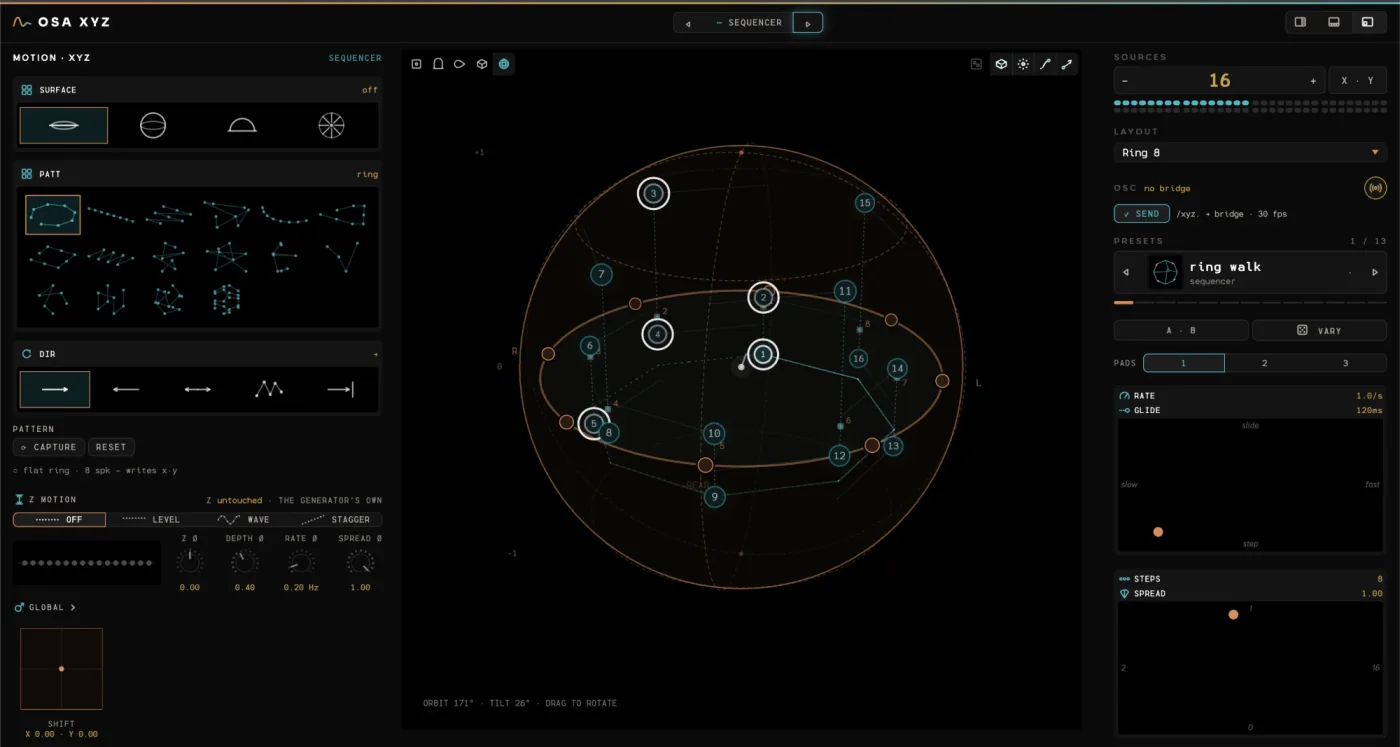
Orbits, spirals, Lissajous figures, random walks, drawn gestures, trajectories, a step sequencer. Or drag the sources by hand while it plays.
Tracks, clips and a spatializer for each track. Your own audio files, a live microphone or audio interface, generators of tones and noise.
One architecture, both editions
01DSP engine
02Coordinate generator
03Spatial engine
04Speaker system
Multichannel by construction.
Movement and configurations of multiple sources.
Turns every position into the sound of each loudspeaker.
A resonant body: the room is the output.
Where modules overlap, they are coupled. Software and hardware share one spatial core: sound, motion and the loudspeaker array meet inside the engine, not patched together afterwards.
Why it matters
Spatial audio is usually an afterthought: a piece is composed, then panned into a room. The research behind OSA starts from the opposite claim. In a Spatial Instrument space is constitutive: how a sound is generated, where it is placed, which law decodes it and which loudspeakers sound it cannot be settled one at a time. Generators and effects are multichannel by birth: partials and grains are separate sources from the first sample, and they beat or fuse differently once spread over the room, so position becomes part of what the sound is. Designing the instrument and composing with it become one activity, which tunes sound to a place and the place to a way of listening.
OSA Spatial Audio DAW
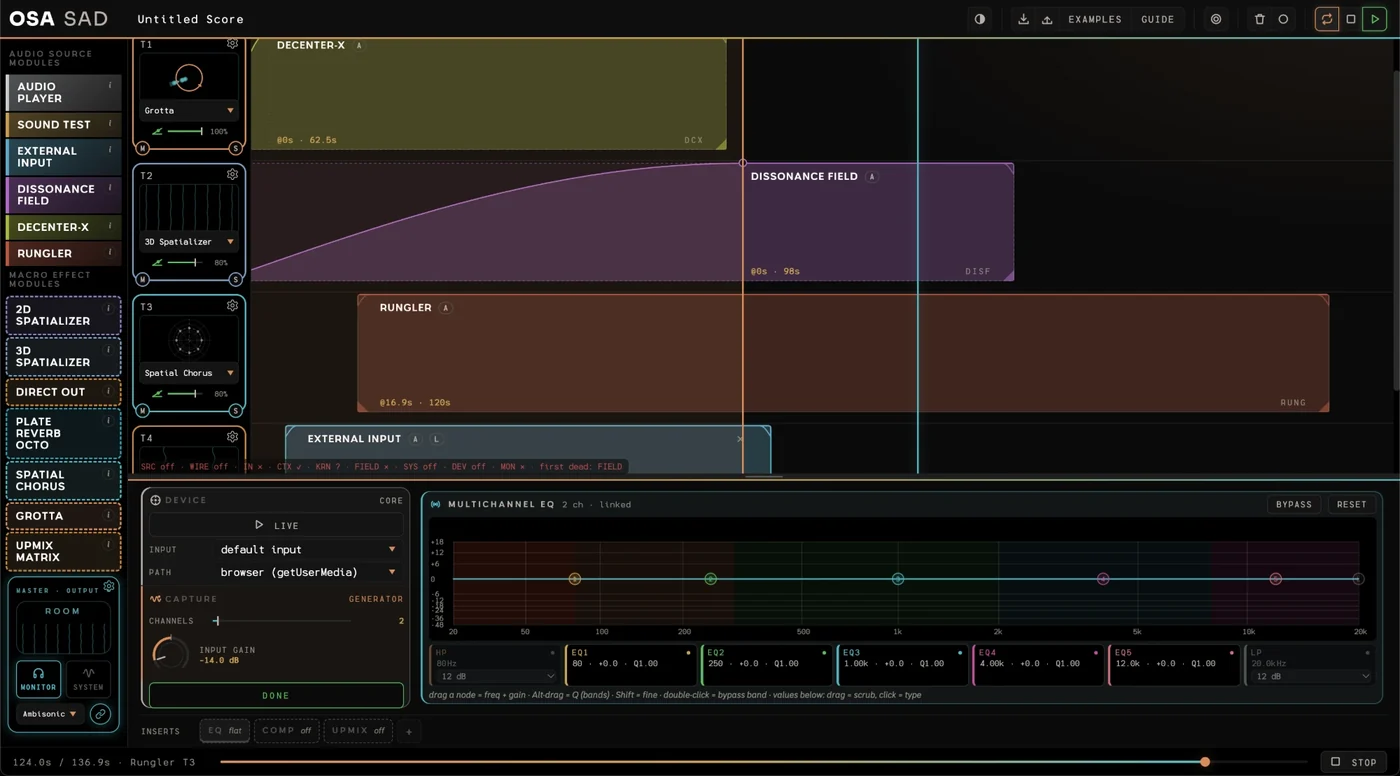
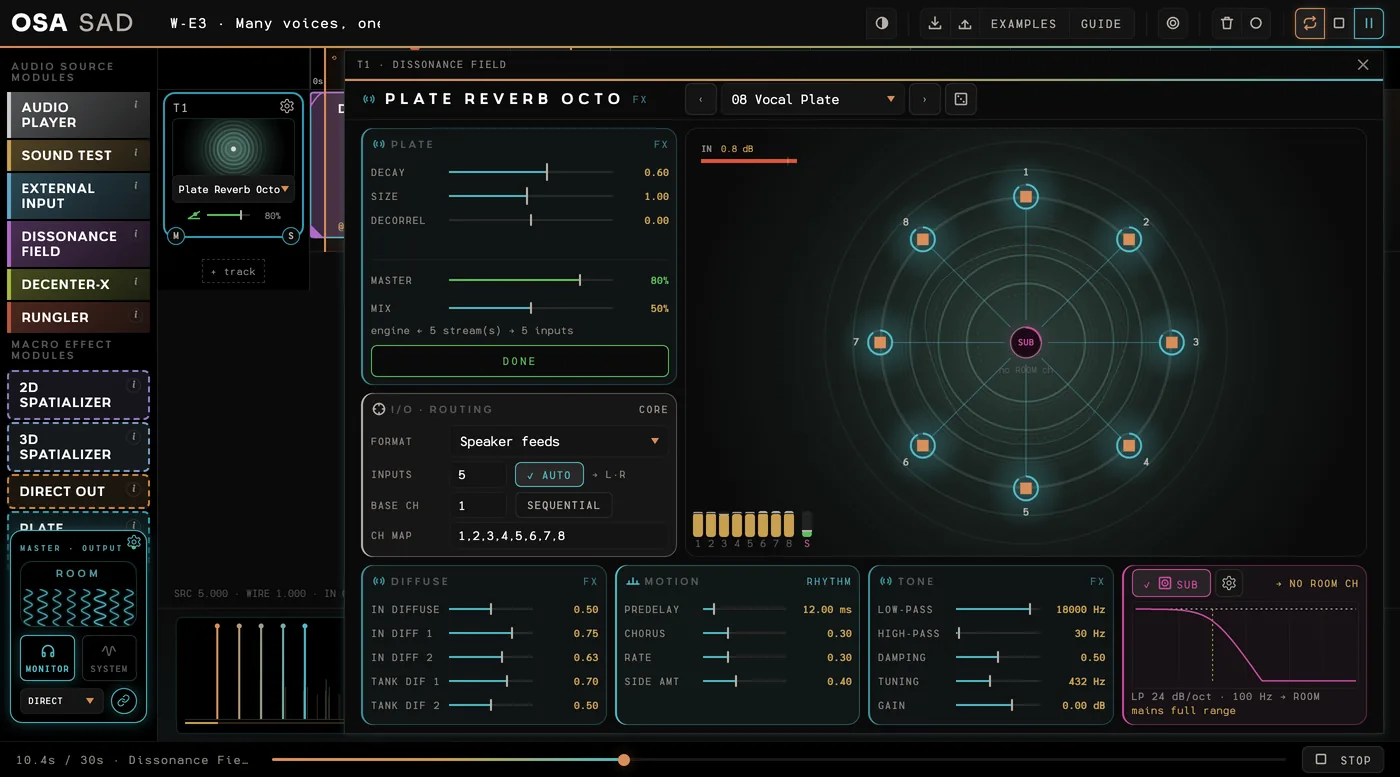
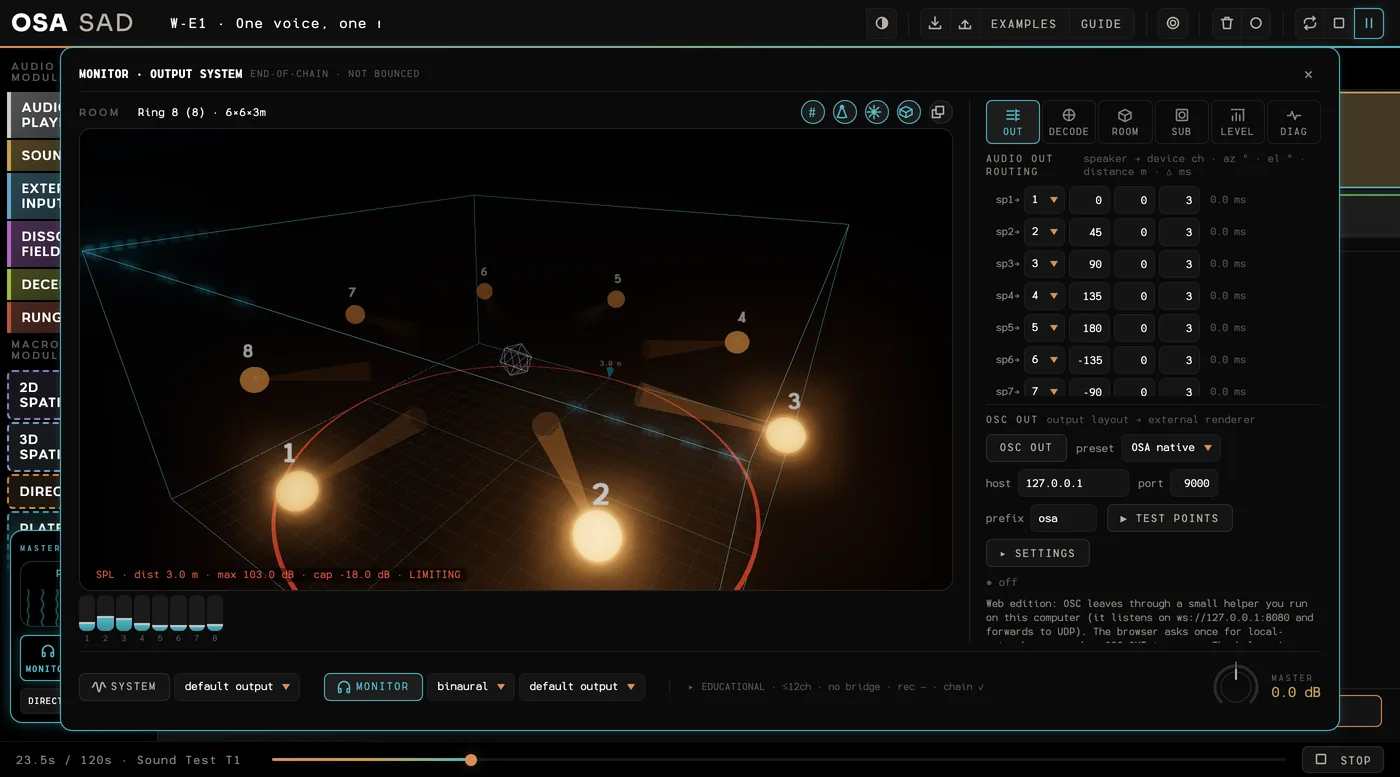
Rings, domes, cinema layouts with height, your own list of positions. The geometry is a preset; the laws adapt to it.
Distance-based or ambisonic. The same sound, placed by a different law, and you can switch while it plays.
Generators of motion, a sequencer for positions, hands on the sources. Space becomes something you play, in real time.
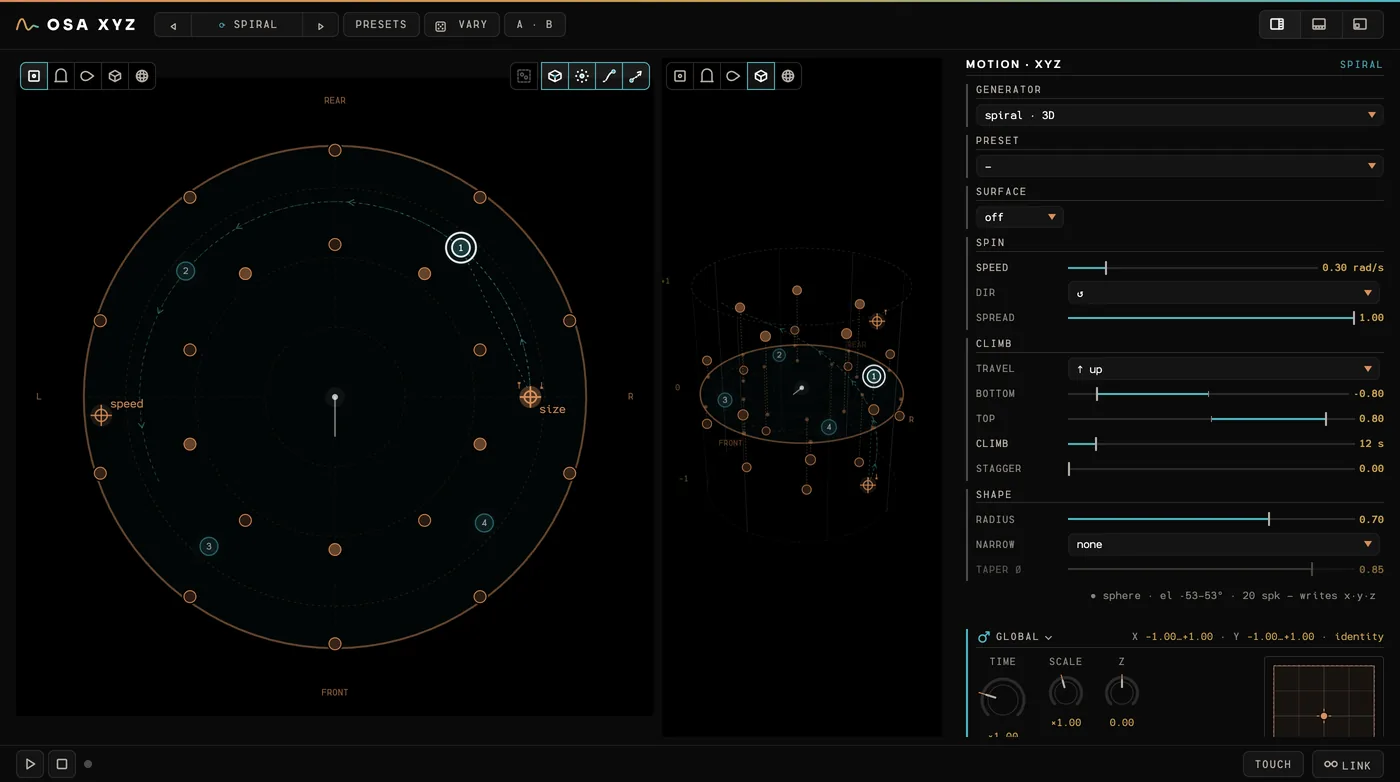
Spatial Motion Generator
The generators behind SAD, released as an instrument of their own. Each of the eleven laws places many sources at once: a 3D configuration over a ring, a dome or a sphere before it is a path, then orbits it, morphs it or steps it through a sequence. Nothing is left to the clock: the same seed and settings draw the same path, in the browser or in Max. Watch it on the array, and send x · y · z for every source over OSC to whatever makes the sound.
Runs in the browser · OSC through a small helper on your computer.
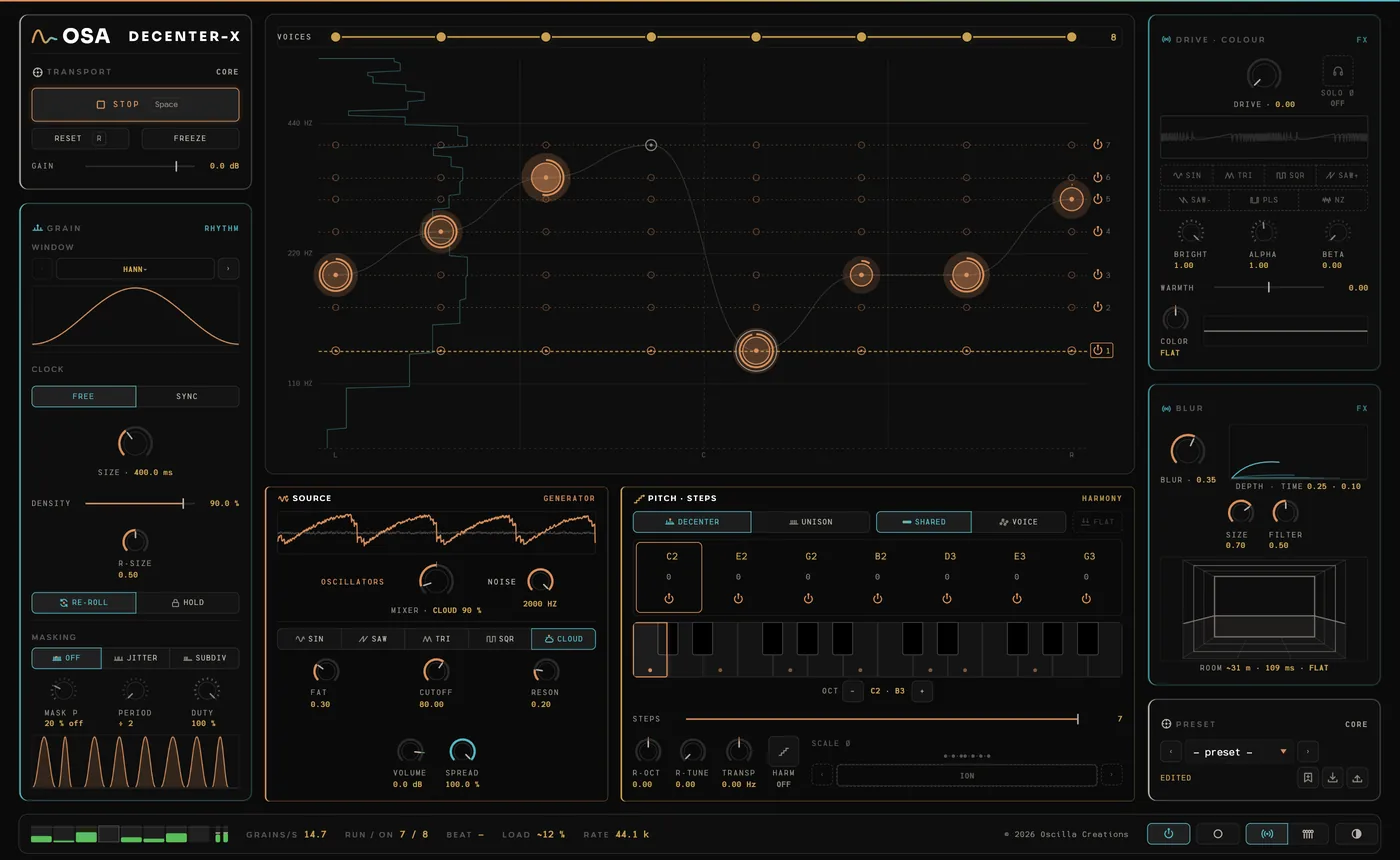
Spatial Sound Generator
A multichannel synthesizer where eight voices read one source. Each drifts away from it with its own grain clock, pitch step, window and mask, and each has a channel of its own: one output per voice, for the stereo field or for a room of loudspeakers. Four blur lines gather them back into a space, and the field draws every grain by pitch and position over the live spectrum. Start from sixteen presets, save your own, and record a take to WAV: stereo, or one channel per voice.
Google Chrome, Microsoft Edge or Safari (Mac), on a desktop or laptop computer.
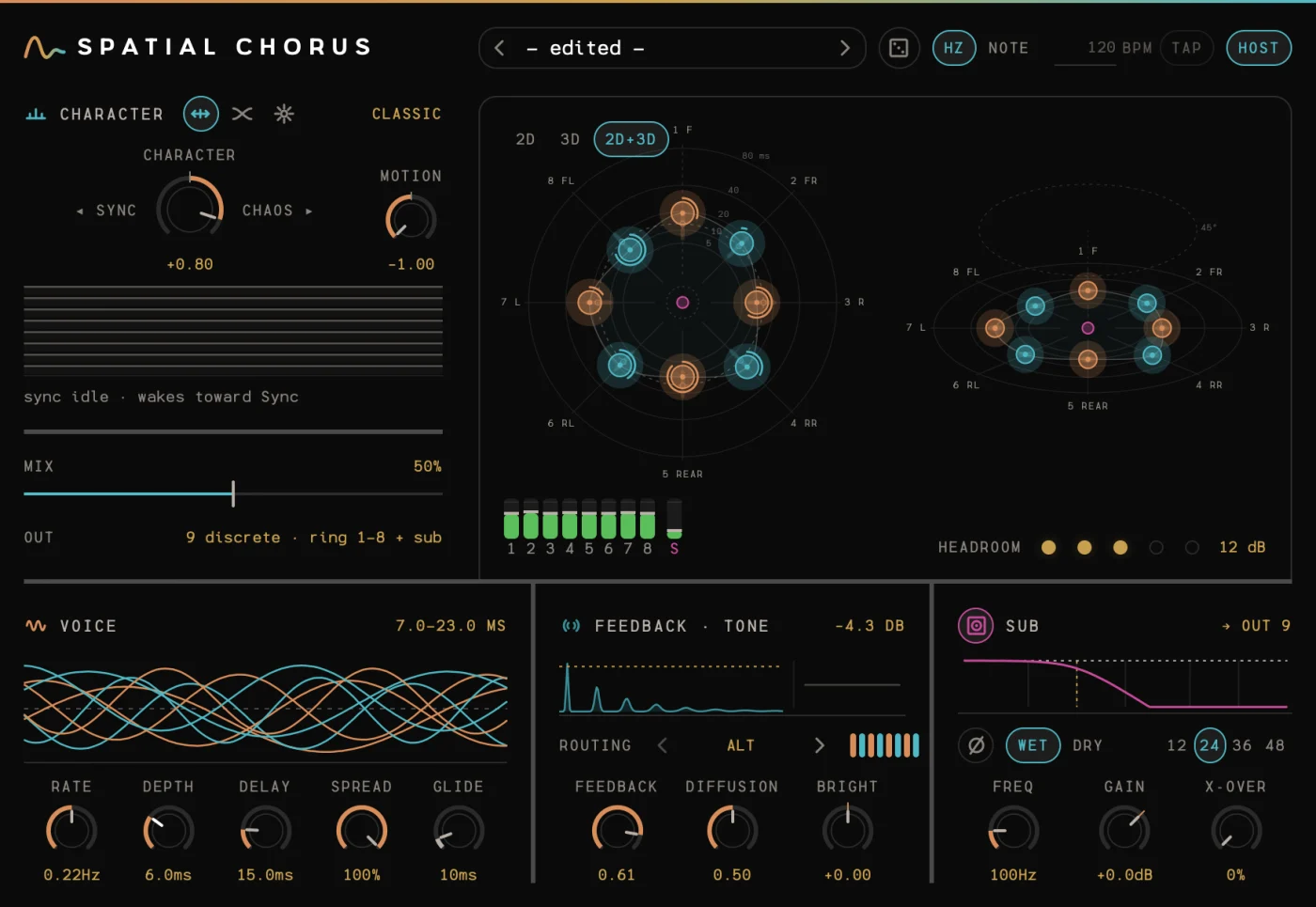
Spatial Sound Effect
A chorus that builds its width in space instead of panning it in. Eight voices sit on a ring, one per direction, each with its own modulated delay, diffuser and colour, moved by a scattered engine, a clocked one or a blend of both. On a stereo track the ring folds to two channels. On a wide track every voice keeps a loudspeaker of its own, and in Logic Pro the Audio Unit opens on surround and Dolby Atmos beds.
CLAP, VST3 and Audio Unit · macOS 10.13 or later, Apple silicon and Intel.
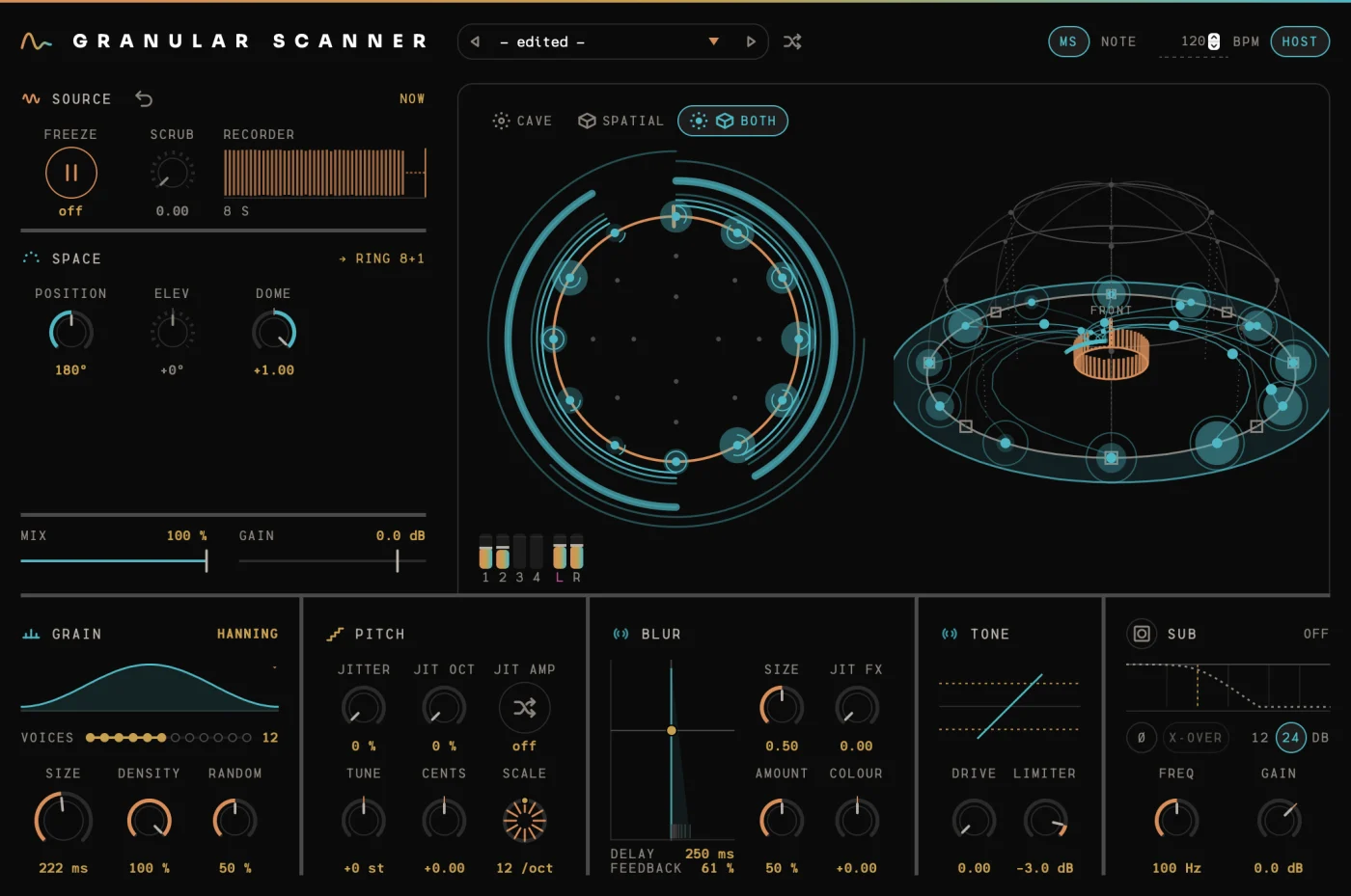
Granular Sound Effect
A granular effect that records what it hears and reads it back as a cloud around the listener. Up to 24 voices draw grains from an eight-second ring you can freeze and scrub, and every voice gets a place of its own in the field. Fold it to stereo, or open it on a wide track: eight loudspeakers, third-order ambiX, 24 direct outputs, or surround and Dolby Atmos beds from 5.1 to 9.1.6 through the Audio Unit.
CLAP, VST3 and Audio Unit · macOS 10.13 or later, Apple silicon and Intel.
Beta tester
With an invitation, every tool below is open to you: sign in with the address it was sent to. The web tools run in the browser; the plugins install on macOS as CLAP, VST3 and Audio Unit. The rest is on its way.
This browser cannot run the demo yet. Open this page in Google Chrome, Microsoft Edge or Safari (Mac) on a desktop or laptop computer.
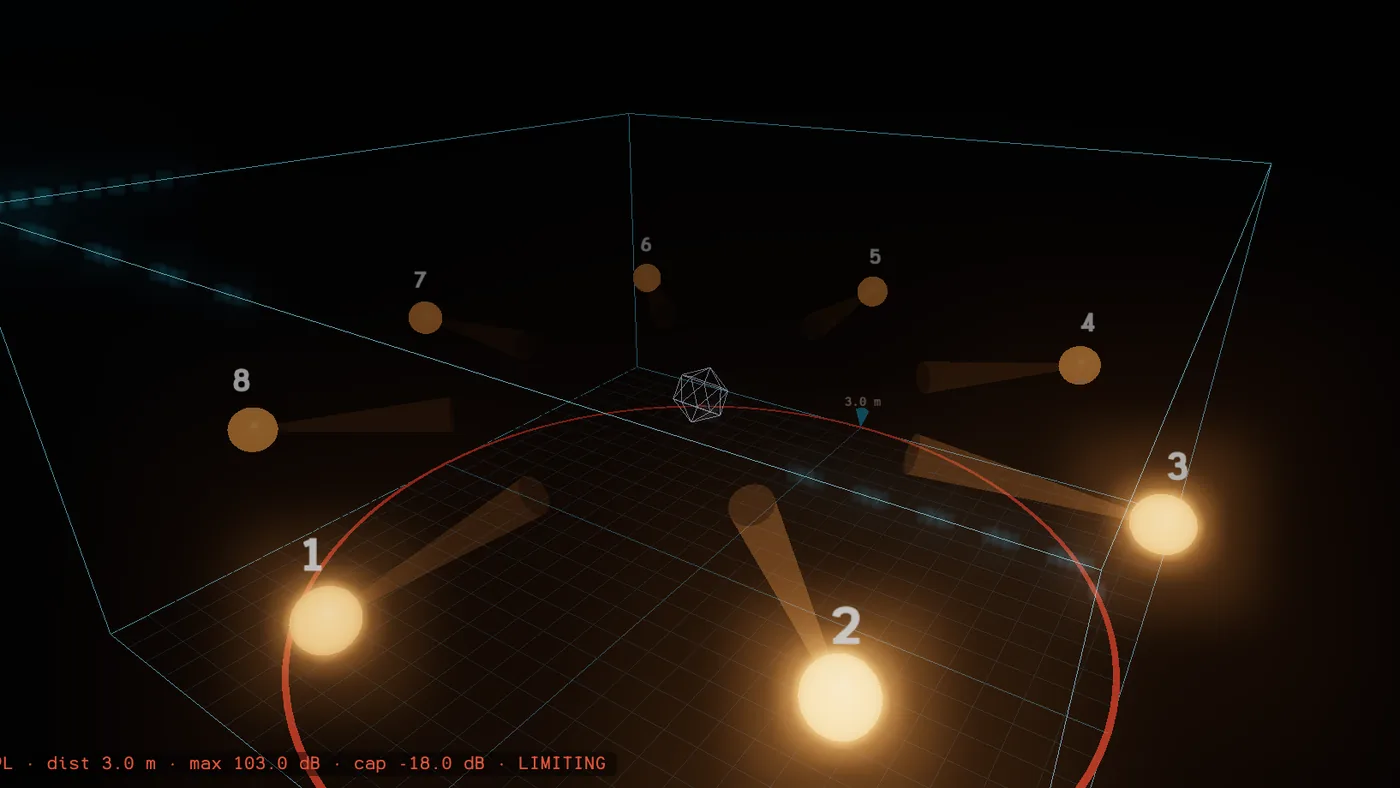 OSA SADThe spatial-audio workstationOpen SAD
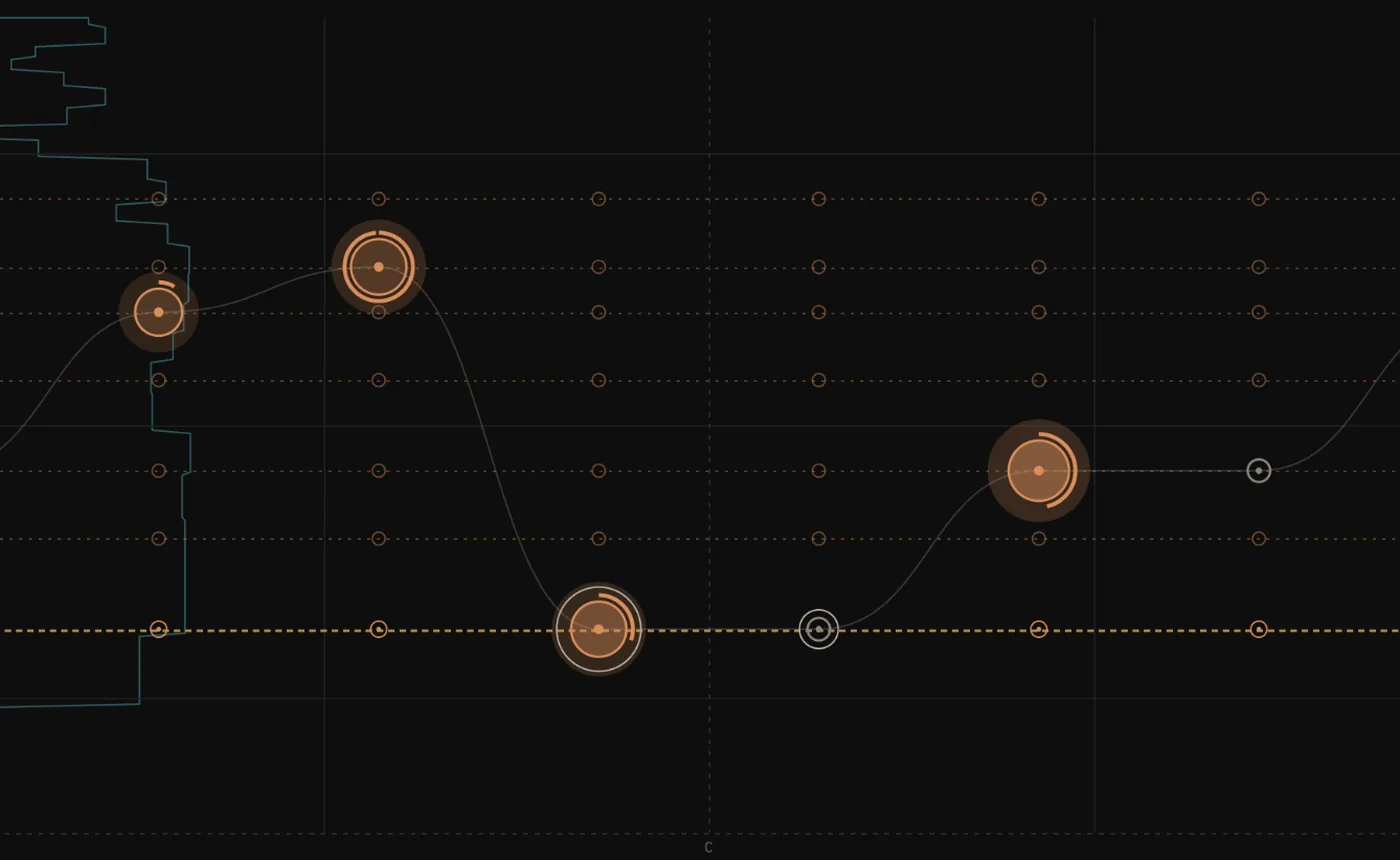 Decenter-XThe granular decentered synthOpen Decenter
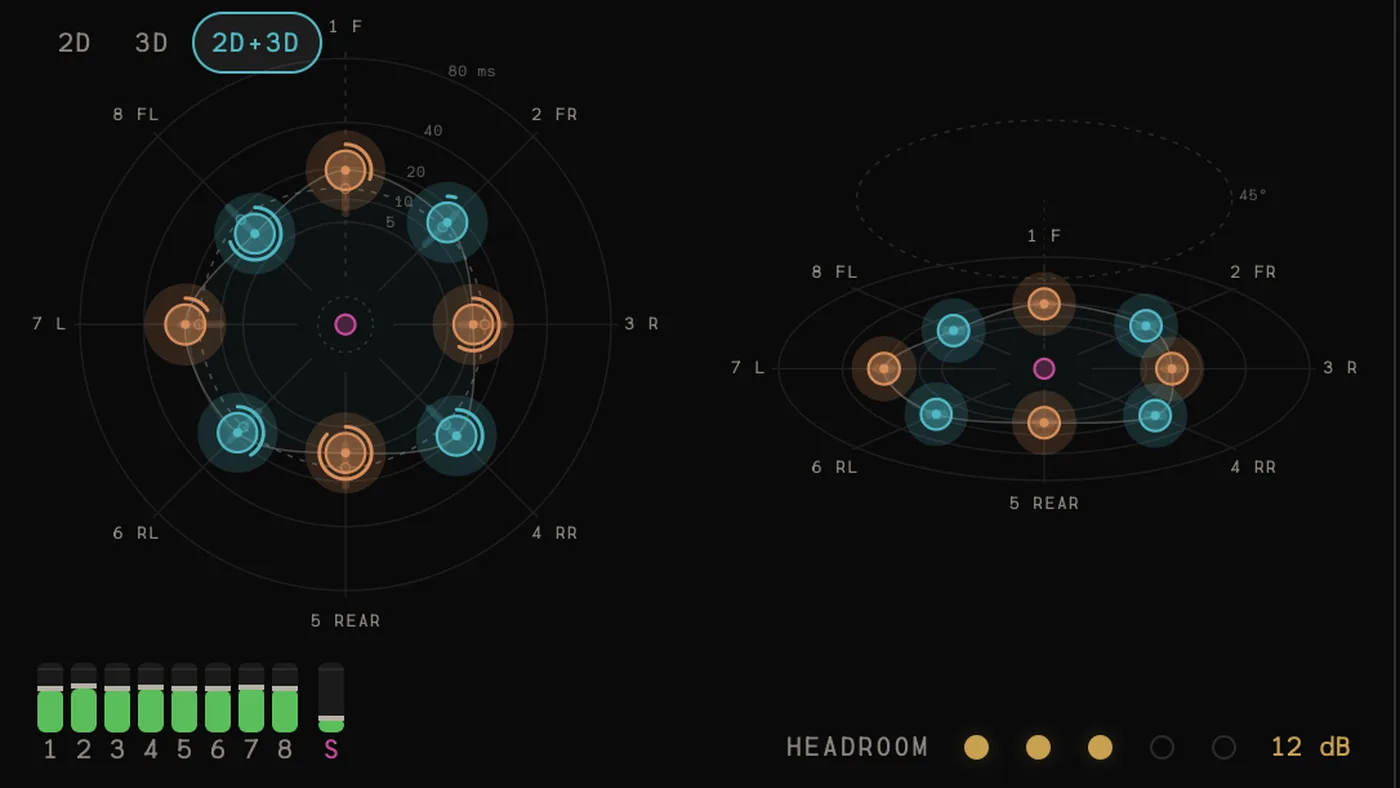 Spatial ChorusThe spatial chorus pluginOpen Chorus
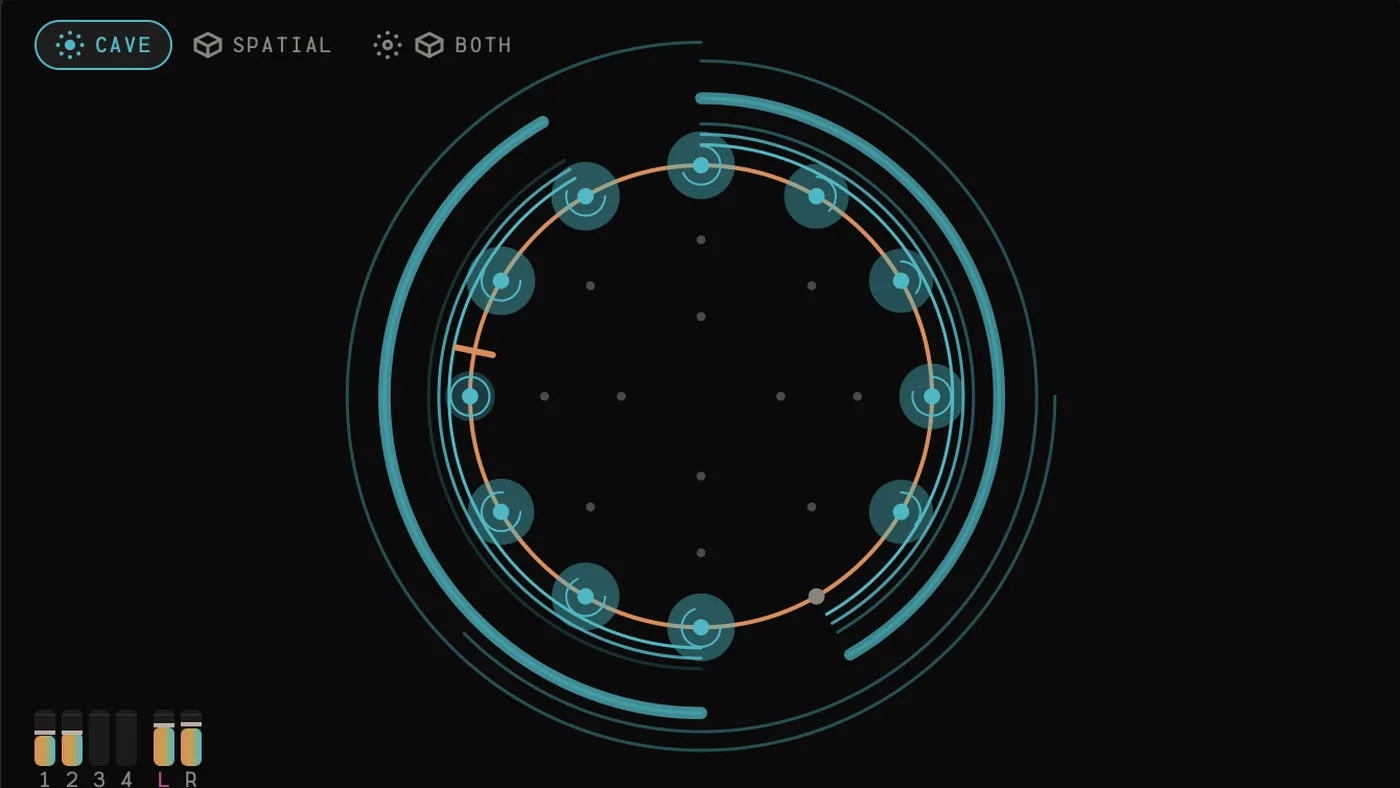 Granular ScannerThe granular cave pluginOpen Scanner
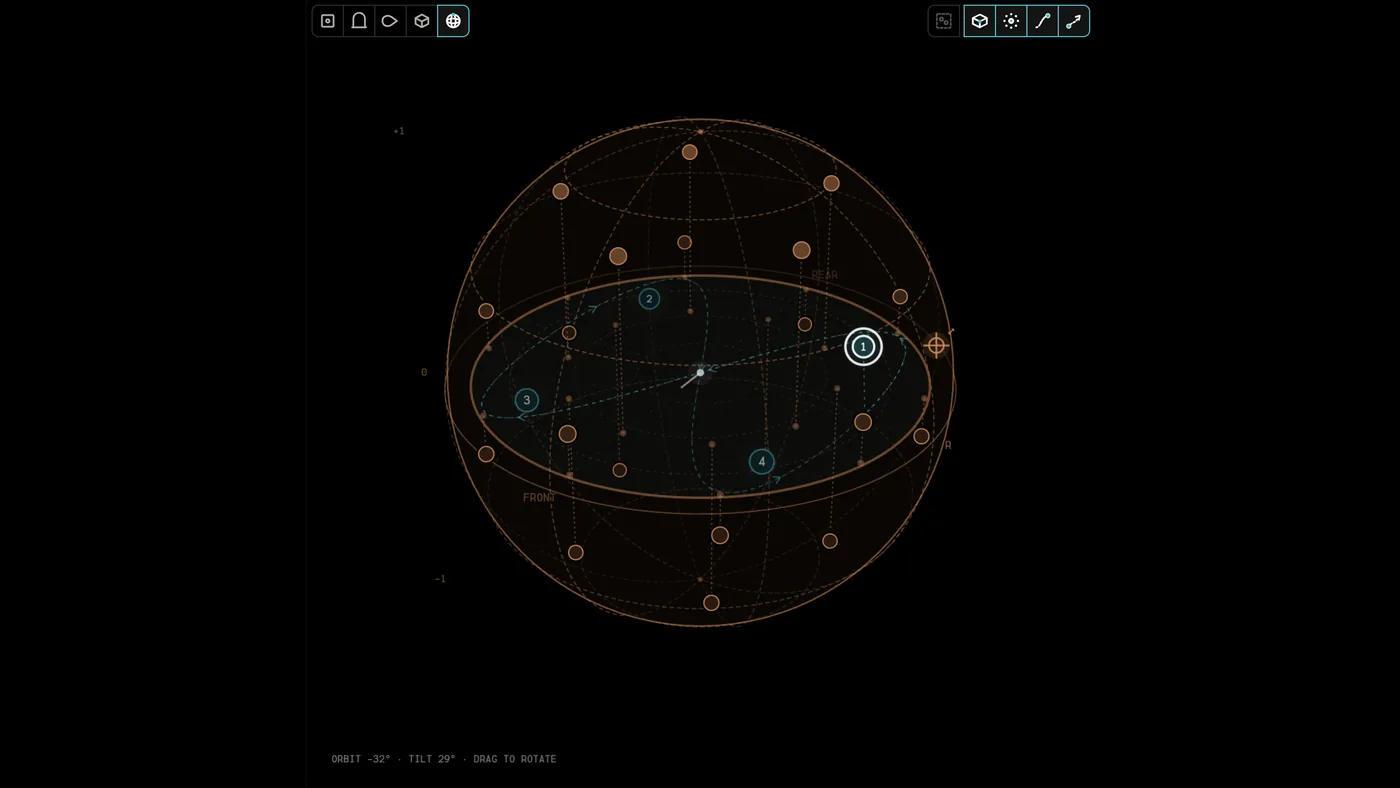 XYZThe motion generators, with OSCComing soon
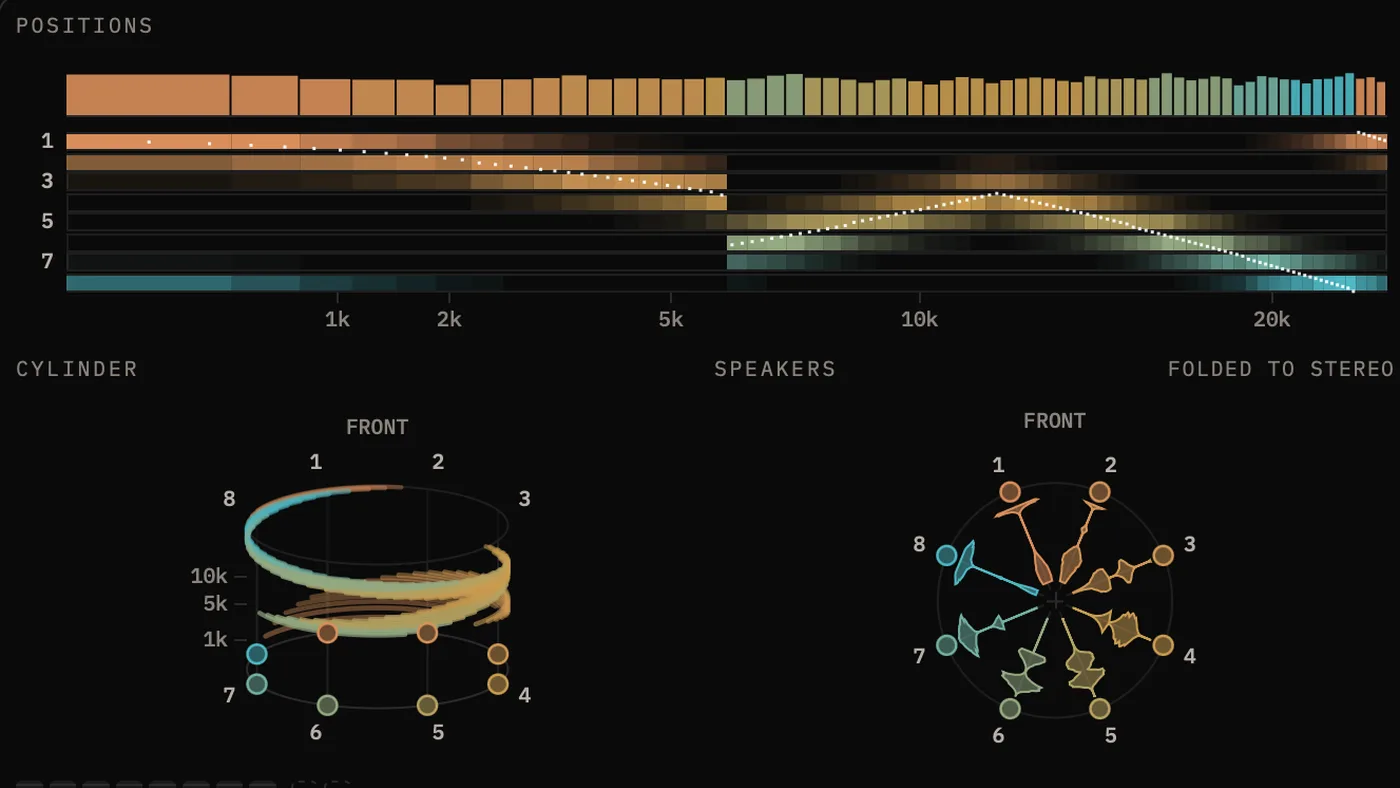 Spatial SpectralThe spectral spatializer, bin by binComing soon
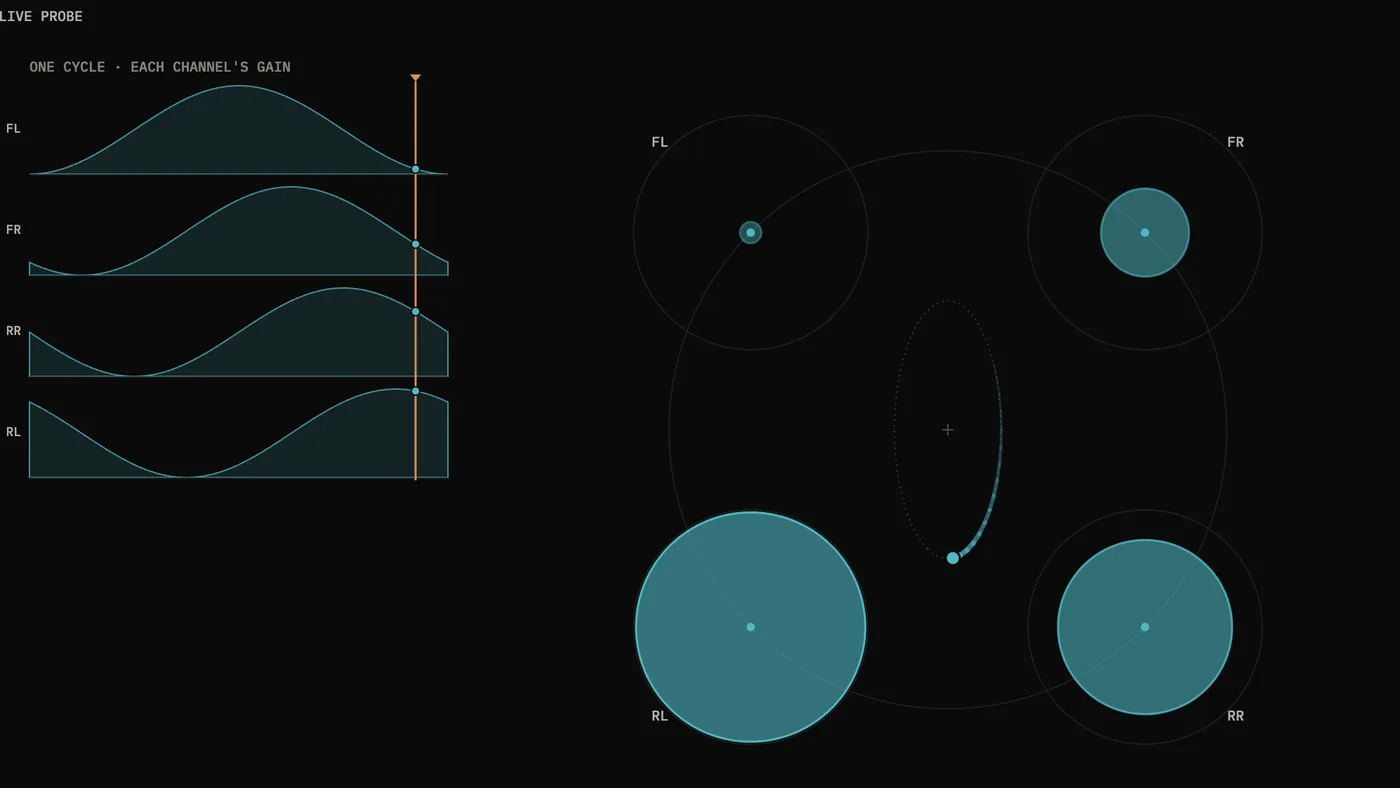 Spatial AMThe multichannel amplitude modulatorComing soon
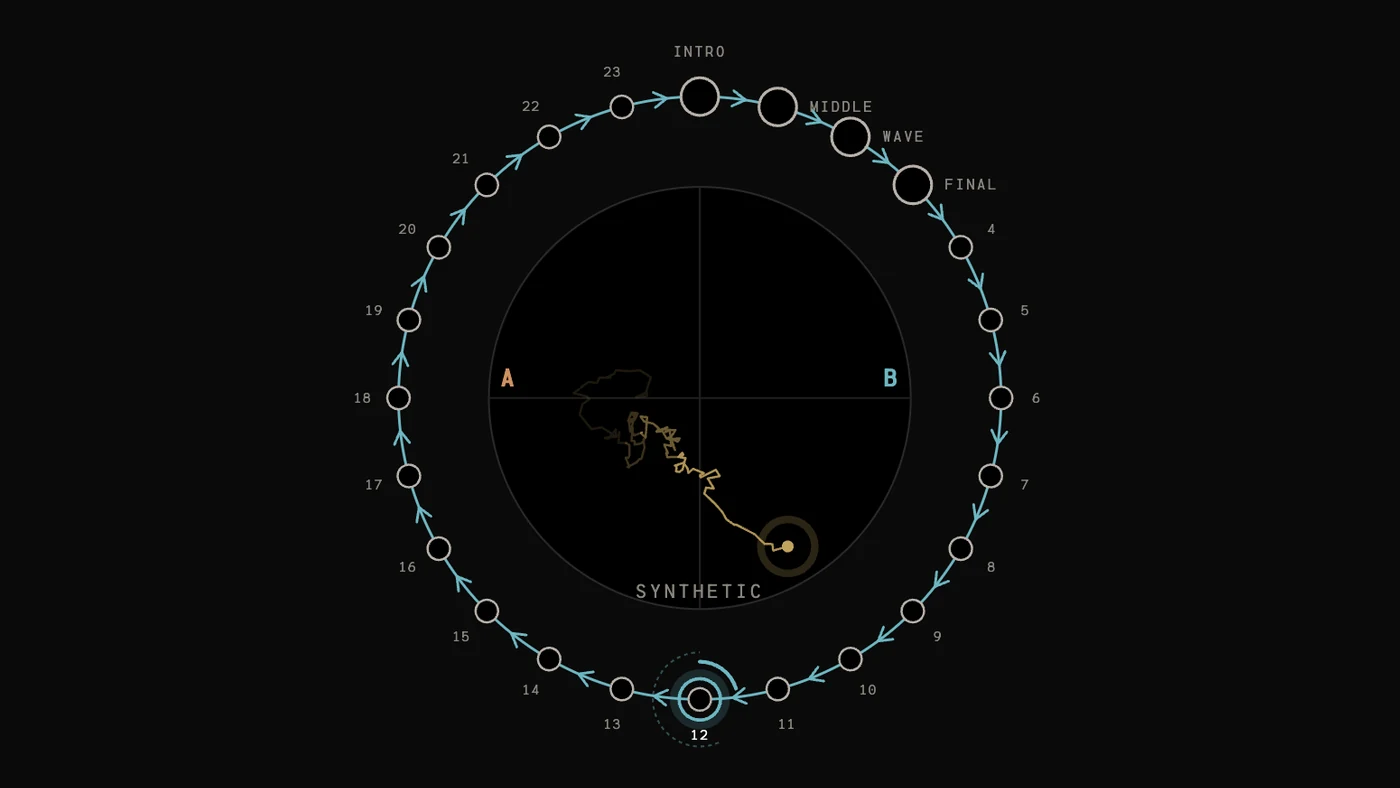 RunglerThe chaotic synth that plays itselfComing soon
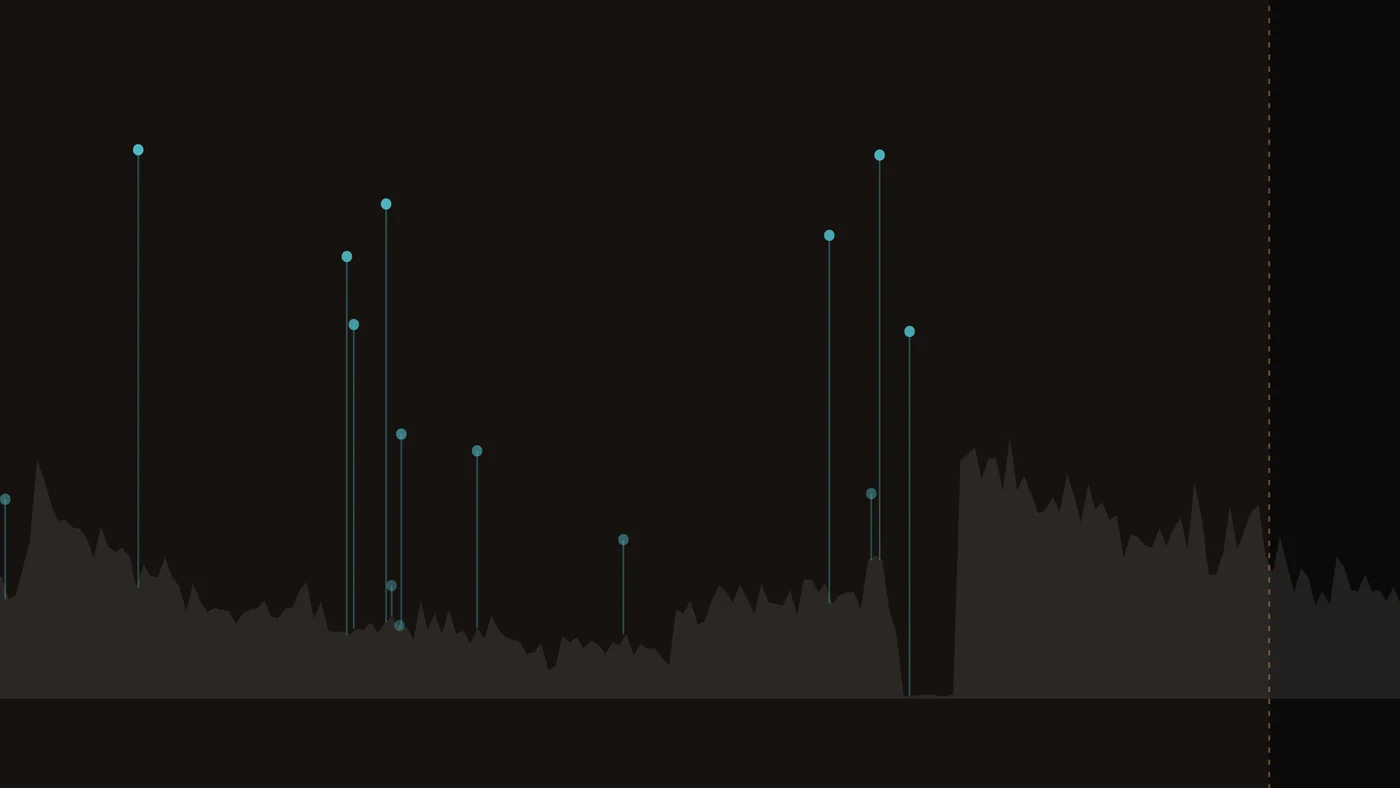 Grain SamplerThe spatial granular samplerComing soon
The web edition
The web edition is an introduction: a small virtual room and the core tools, made for learning, teaching and a first contact with spatial sound. The whole instrument is OSA SAD Pro, on the desktop.
Early access
OSA SAD is in early access. Tell us a little about yourself and your project: a course, a piece, an installation, a room you want to try out.
When it is approved you will receive an email with the link and how to sign in. If nothing arrives, check your spam folder.